
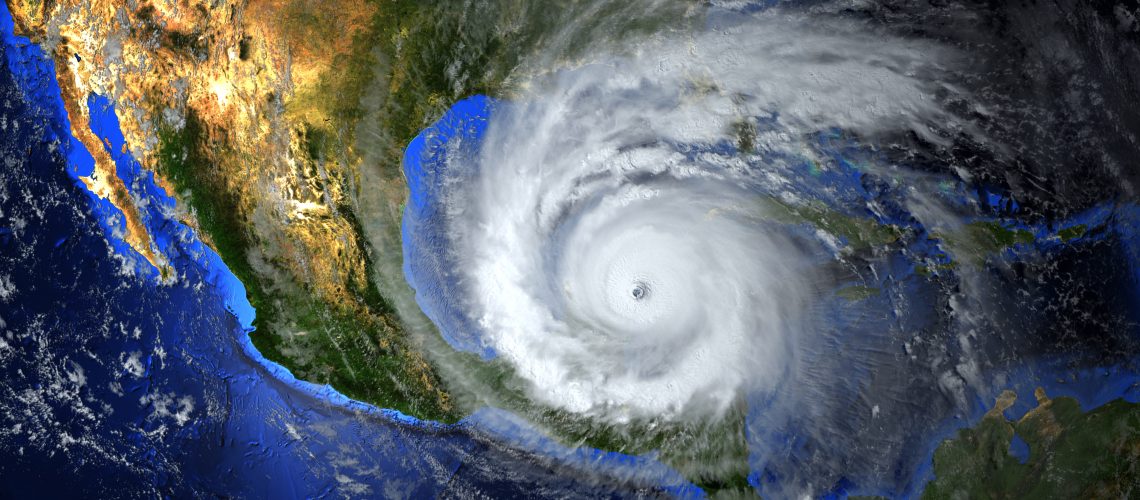
Living in Florida comes with the constant threat of hurricanes, and homeowners in Spring Hill know all too well the damage these storms can cause. While high winds and heavy rain can impact your entire property, your roof typically takes the brunt of the force. If you’ve ever wondered how hurricanes affect your roofing system, this guide breaks it down and explains what you can do to protect your home from costly storm damage.
Why Your Roof Is Vulnerable to Hurricane Damage
Your roof is designed to protect your home, but during a hurricane, it faces extreme weather conditions such as:
-
Sustained High Winds
Wind speeds in hurricanes can exceed 100 mph, lifting or tearing shingles, tiles, and even entire roof sections. -
Flying Debris
Tree branches, outdoor furniture, and other debris become airborne in strong winds, striking your roof with force that can puncture or loosen materials. -
Heavy Rain and Water Intrusion
Rain driven by high winds can find its way under shingles or flashing, leading to leaks and water damage inside your home.
These factors make it critical to inspect your home for storm damage in Spring Hill after every major storm.
Common Types of Hurricane Roof Damage
1. Missing or Damaged Shingles
Strong winds often lift and rip away asphalt shingles, leaving your roof deck exposed to the elements.
2. Lifted or Broken Tiles
Clay or concrete tiles can be cracked or completely blown off, especially if they weren’t installed with hurricane-rated fastening systems.
3. Exposed Roof Decking
When roofing materials are torn off, the wooden decking underneath is left vulnerable to water intrusion and rot.
4. Leaks and Water Damage
Hidden leaks caused by displaced flashing, loose shingles, or cracked tiles can lead to mold, mildew, and interior water damage if not addressed quickly.
How to Identify Hurricane Roof Damage
After a storm passes, inspect your roof safely from the ground or call a professional for an evaluation. Here are some signs to watch for:
-
Missing or curled shingles
-
Cracked or broken tiles
-
Water stains on ceilings or walls
-
Debris accumulation on the roof
-
Granule loss in gutters or downspouts
If you suspect damage, contacting a storm damage repair company in Spring Hill right away can help prevent further issues.
Preventing Hurricane Roof Damage
Schedule Regular Roof Inspections
Routine inspections by professional roofers can catch small problems before they become major ones. This is especially important before hurricane season.
Upgrade to Hurricane-Rated Materials
Consider upgrading to roofing materials that meet Florida’s strict building codes for wind resistance. Metal roofs, concrete tiles, and architectural shingles are all excellent choices for hurricane-prone areas.
Improve Roof Ventilation and Fastening Systems
Proper ventilation and secure fastening systems help your roof withstand high winds and prevent uplift.
Consider Solar Roofing Solutions
Innovative products like GAF Timberline Solar™ not only generate energy but also offer durable protection. These solar shingles are designed to be both functional and hurricane-resistant, making them a smart investment for homeowners in Florida.
Why Choose Tripeak Roofing?
At Tripeak Roofing, we specialize in helping homeowners recover from storm damage and prepare their roofs for future storms. As your trusted storm damage repair company in Spring Hill, we offer thorough inspections, expert repairs, and top-quality materials designed for Florida’s challenging weather.
Conclusion
Understanding how hurricanes impact your roof is the first step to protecting your home and preventing expensive repairs. Whether you’re dealing with storm damage in Spring Hill or looking to strengthen your roof for the next hurricane season, Tripeak Roofing is here to help. Contact us today to schedule an inspection and ensure your home is storm-ready.